


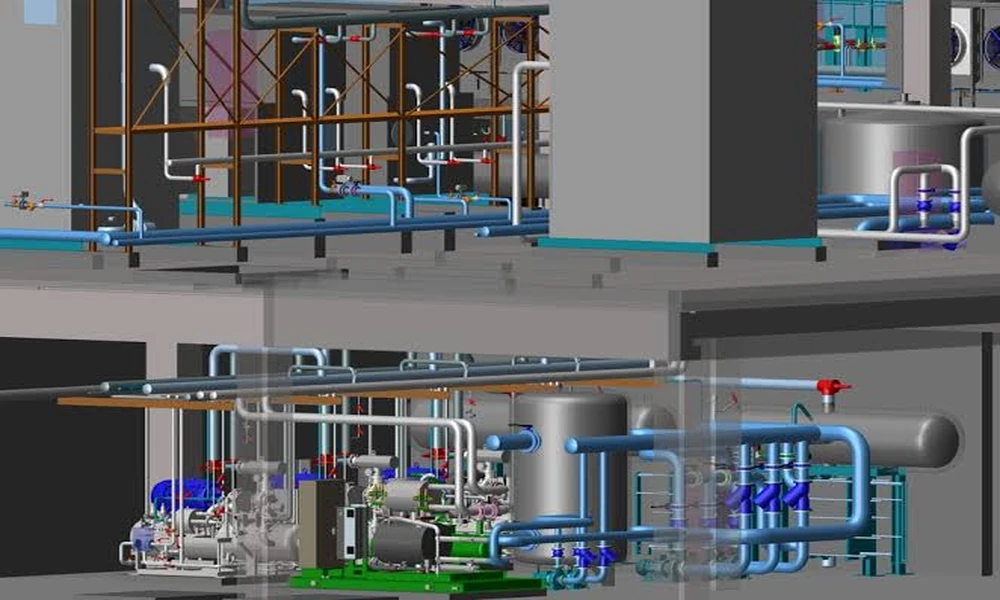
Modern commercial buildings depend on complex infrastructure that is easy to overlook once construction is complete. Behind walls, beneath floors, and above ceilings, piping systems carry water, remove wastewater, support fire protection, and help heating and cooling equipment operate efficiently. For this reason, choosing experienced commercial piping contractors can play an important role in the safety, functionality, and long-term performance of a building.
From office buildings and retail spaces to hospitals, warehouses, and industrial facilities, piping must be carefully planned around the building’s purpose. A well-designed system can support daily operations while reducing maintenance problems and costly disruptions later.
Why Piping Systems Matter in Commercial Buildings
Piping is more than a network of pipes connecting fixtures and equipment. It is part of a building’s essential infrastructure, and its design affects how reliably several other systems operate.
A commercial property may require separate piping arrangements for potable water, sanitary drainage, stormwater, natural gas, heating, cooling, and fire suppression. Each application has different requirements, which means materials, pipe sizes, connections, pressure ratings, and installation methods must be selected appropriately.
Poor planning can create problems that become difficult and expensive to correct after construction. Leaks, inadequate water pressure, drainage issues, corrosion, and restricted access for repairs can all affect building operations.
Key Types of Commercial Piping Systems
The piping required in a commercial facility depends heavily on its size, layout, and intended use. Some systems are common across many projects, while others are designed for specialized applications.
Common commercial piping systems include:
- Domestic water piping: Delivers hot and cold water to sinks, restrooms, kitchens, and other fixtures.
- Sanitary piping: Carries wastewater away from plumbing fixtures and toward the appropriate drainage system.
- Stormwater piping: Helps collect and direct rainwater away from roofs and other surfaces.
- HVAC piping: Supports heating and cooling equipment, including systems that circulate water or other fluids.
- Fire protection piping: Supplies sprinkler systems and other fire suppression equipment where required.
- Gas piping: Delivers fuel to approved appliances and equipment in facilities that use natural gas or similar services.
These systems often have to operate within a limited amount of space. Coordination with structural, electrical, mechanical, and architectural plans is therefore an important part of commercial construction.
Planning Piping During the Design Stage
One of the most effective ways to avoid piping problems is to address them before installation begins. Contractors and design teams need to understand how the building will be used, where equipment will be located, and how different systems will interact.
Pipe routing should account for structural elements, ceiling heights, equipment clearances, access panels, and future maintenance. It is also important to consider how pipes will expand, contract, drain, or be supported depending on their application.
Modern construction projects may use building information modeling (BIM) and detailed digital plans to identify potential conflicts before physical work begins. Better coordination can reduce rework and make installation more predictable.
Choosing the Right Materials
Pipe material can influence durability, installation requirements, compatibility, and maintenance. There is no single material that is appropriate for every commercial application.
Depending on the system and applicable building requirements, projects may use materials such as copper, steel, stainless steel, PVC, CPVC, or other approved piping products. The selection should consider factors including the fluid being carried, temperature, pressure, corrosion exposure, installation environment, and applicable codes.
Material selection also needs to account for connections and fittings. A pipe may be suitable for a particular application while an incompatible fitting or joining method creates a weak point in the system.
Installation and Coordination Challenges
Commercial piping installation can be complicated because several trades often work in the same areas at different stages of construction. A pipe route that looks straightforward on one drawing may conflict with ductwork, electrical conduits, structural beams, or other equipment in the field.
Careful scheduling and communication help reduce these conflicts. Installers also need to follow approved plans, manufacturer instructions, applicable codes, and project specifications.
Proper supports and hangers are another important consideration. Pipes need to remain secure and properly aligned, while systems must also accommodate movement where required. Rushing installation or overlooking small details can lead to problems that only become apparent after the building is occupied.
Testing, Inspection, and Maintenance
A piping system should not simply be installed and forgotten. Testing and inspection help verify that the completed system performs as intended before the building relies on it.
Depending on the system, testing may involve pressure testing, leak checks, flow verification, drainage testing, or other procedures required by the project and applicable regulations. Documentation can also make future maintenance easier by providing information about the installed system.
Once a commercial building is operational, routine inspections can help identify developing problems. Visible corrosion, unusual pressure changes, recurring drainage issues, damp areas, or unexplained increases in water use may warrant professional investigation.
Common Commercial Piping Mistakes to Avoid
Some piping problems originate during design rather than installation. Others result from shortcuts taken during construction or inadequate maintenance after completion.
Common issues include:
- Failing to coordinate piping with other building systems
- Selecting materials without considering the intended application
- Making pipe routes unnecessarily difficult to access
- Ignoring future maintenance requirements
- Installing systems without adequate testing
- Modifying piping without considering the effect on connected equipment
- Neglecting signs of leaks, corrosion, or drainage problems
Addressing these issues early is generally easier than correcting them after walls, ceilings, and finishes are complete.
How Proper Piping Supports Long-Term Building Performance
A well-planned piping system can contribute to dependable building operations and easier maintenance. Reliable water delivery, effective drainage, appropriate HVAC circulation, and properly designed fire protection all support the basic functions of a commercial property.
Good piping design can also make future work more manageable. Accessible valves, clearly documented layouts, and thoughtful equipment connections allow maintenance professionals to diagnose and repair problems without unnecessarily disrupting the rest of the building.
For owners and project managers, this highlights an important point: piping should be considered a long-term infrastructure investment rather than simply another construction task.
Conclusion
Piping systems are an essential part of modern commercial construction, supporting everything from everyday plumbing to HVAC, drainage, gas, and fire protection. Their performance depends on thoughtful design, suitable materials, careful installation, proper testing, and ongoing maintenance.
The most successful commercial projects consider piping early and coordinate it closely with the rest of the building. By treating these systems as a critical part of the overall structure rather than something hidden behind the walls, building owners and construction teams can create facilities that are safer, more functional, and easier to maintain over time.