


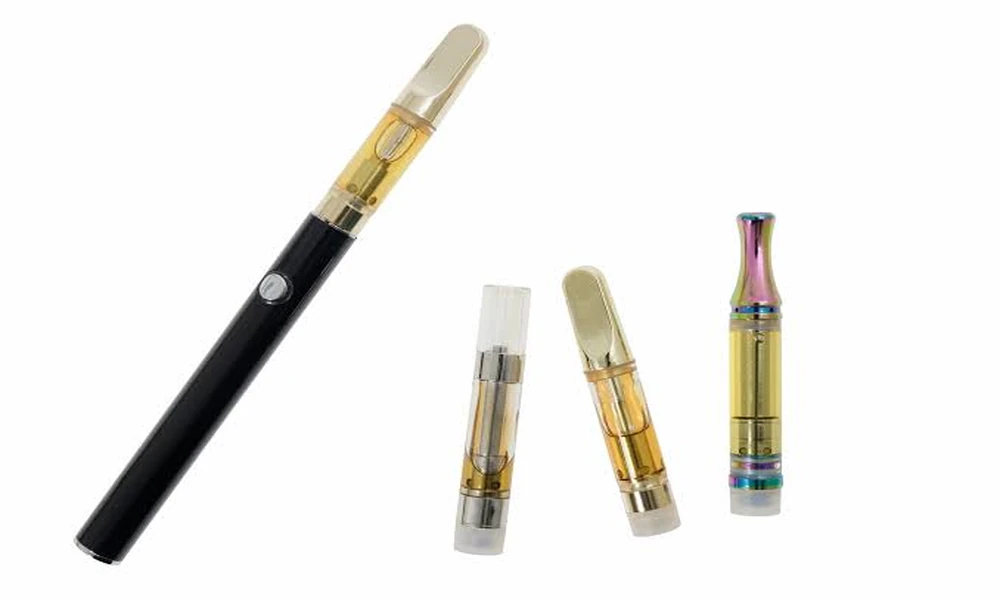
Light affects cannabinoid stability by delivering energy directly into molecular bonds, slowly reshaping compounds into different ones over time. Ultraviolet wavelengths carry the most energy and drive the fastest change, while visible light works more gradually along the same path. Resources tracking product freshness, including flcannabisdeals, treat light protection as a core storage topic because the process runs quietly and never reverses.
Energy meets molecular bonds
Photons landing on oil transfer energy straight into the molecules they strike. Bonds absorbing enough energy stretch and break, and broken bonds reform into new arrangements different from the original compound. Change at this scale happens one molecule at a time, invisibly, across every hour of exposure.
Accumulation is what makes the process matter. Single events change nothing a user could notice, yet millions of small conversions across weeks gradually shift the overall makeup of the oil. Stability means keeping that count as low as possible for as long as possible.
Wavelength strength differences
Light bands carry different energy loads, and each treats cannabinoids differently.
- Ultraviolet light holds the highest energy and converts compounds fastest.
- Blue visible light follows, working slower yet still steadily.
- Warmer visible tones carry less force and act gently.
- Infrared adds warmth rather than direct bond damage, influencing stability through temperature instead.
Ranking explains protection design. Barriers built against ultraviolet stop the most damaging band first, which is why tinted glass and opaque boxes target that range before any other.
Acid-form resilience
Cannabinoid forms differ in how firmly they hold together under exposure. Acid forms carry a protective carboxyl group that absorbs some incoming energy before core bonds feel it, giving raw compounds a natural buffer their converted twins lack. Buffering has practical limits, even so. Extended exposure eventually works past any natural shield, converting acid forms along the same path as everything else. Natural resilience buys time rather than immunity, which keeps external protection necessary for oil expected to wait weeks before use.
Degradation products formed
Light-driven change produces recognisable outcomes inside aged oil. Primary compounds drift toward secondary ones, fresh character fades toward flatter notes, and colour deepens gradually from bright gold toward amber tones.
Reading these signs works in reverse, too. Oil holding its original colour, aroma and tested strength after months of storage proves its packaging did real work. Visible freshness is simply stability made observable, and stable oil announces itself the moment a tank catches daylight for the first time.
Protection layer stacking
- Stability preservation works through stacked light barriers, each cutting exposure further. Opaque shipping boxes block transit light completely, tinted tanks filter daylight after unboxing, and drawer storage between sessions removes exposure almost entirely.
- Layers multiply rather than add. Each stage passes only a fraction of light through, so three stages together reduce exposure to a tiny remainder. Oil kept behind stacked protection holds its tested character month after month, which is the whole goal stability care works toward.
Light exposure reshapes cannabinoids through accumulated bond energy, moving fastest under ultraviolet and slowest behind layered barriers. Stability follows directly from exposure control, and controlled oil stays true to its lab sheet from fill day until the final draw.