


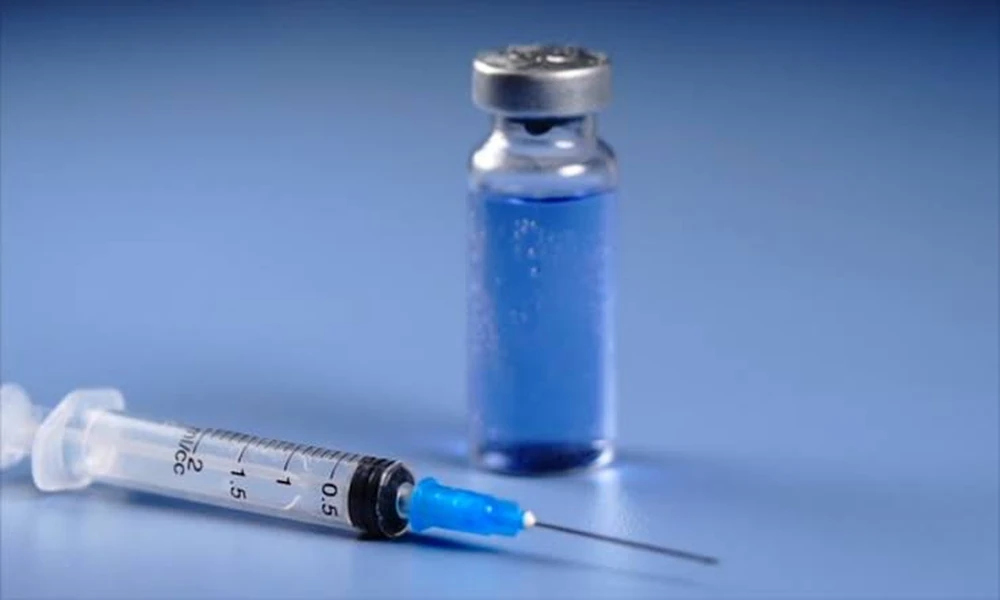
Recovery and body recomposition are not separate fitness goals in practice. Recovery speed determines training frequency, training frequency determines the weekly muscle protein synthesis stimulus, and the weekly stimulus determines how much lean mass is retained or built over time at a given caloric intake. Women pursuing body recomposition, meaning simultaneous fat loss and lean mass preservation or increase, find that recovery capacity is often the limiting variable before nutrition or training programme design becomes the constraint. peptides for women in this context address both body composition and recovery deficits by targeting different biological systems without competing for the same mechanism within the same protocol cycle.
Recovery peptide selection
BPC-157 is the recovery compound appearing most frequently in women’s body recomposition accounts where soft tissue injury is limiting training frequency below the threshold needed to maintain lean mass in caloric deficit. Tendon injuries at the knee, shoulder, and Achilles that reduce weekly training volume by forcing session cancellations or load reductions create a training frequency deficit that directly impairs the muscle protein synthesis stimulus needed for lean mass retention during fat loss phases. Daily subcutaneous injection near the primary injury site maintains continuous VEGF-driven angiogenesis at the damaged tissue throughout the protocol, addressing the localised vascular deficit that standard rest-based recovery cannot resolve at the structural level.
Body recomposition compound choices
GH axis peptides address the body composition side of the equation through downstream IGF-1 signalling that affects both lipolysis in adipose tissue and muscle protein synthesis in skeletal muscle simultaneously.
- Fat loss mechanism peptides
Ipamorelin’s selective GH release stimulates lipolysis in adipose tissue through GH receptor signalling without producing cortisol co-elevation that would impair fat loss through increased cortisol-driven fat storage. Women in caloric deficit using Ipamorelin alongside resistance training document body composition changes consistent with preserved lean mass alongside continued fat loss in accounts where training frequency was maintained throughout the protocol cycle. CJC-1295 combined with Ipamorelin extends the GH release window beyond the brief pulse Ipamorelin alone generates, providing a longer daily GH signal that supports sustained lipolysis at the adipose tissue receptor level rather than a brief GH spike that falls below the effective threshold within hours of administration.
- Lean mass preservation peptides
Lean mass preservation during caloric deficit requires adequate muscle protein synthesis stimulus from training alongside sufficient GH-driven IGF-1 signalling to support the cellular repair processes that maintain muscle fibre integrity between sessions. Ipamorelin provides the GH pulsatility component. BPC-157 provides the soft tissue repair component that keeps training frequency at the level needed to generate the weekly muscle protein synthesis stimulus. GHK-Cu supports the connective tissue quality across tendons, ligaments, and fascial tissue that determines injury resistance at the training frequencies body recomposition protocols require over eight to sixteen week phases.
Multi-goal protocol structure
Women whose accounts document simultaneous recovery and body recomposition goals consistently follow a protocol structure where each compound addresses a different limiting factor rather than all compounds targeting the same biological system. BPC-157 runs daily for the primary injury site. Ipamorelin or CJC-1295 with Ipamorelin runs at night to align with natural GH pulse timing during slow-wave sleep. GHK-Cu runs topically or by injection for connective tissue quality maintenance across the broader tissue network that sustained training frequency stresses across a twelve to sixteen week recomposition phase.
Best peptides for women in recovery with body recomposition goals work because BPC-157, Ipamorelin, and GHK-Cu address three different biological requirements of the recomposition process through non-overlapping mechanisms, covering soft tissue repair, GH-driven fat oxidation alongside lean mass support, and connective tissue quality maintenance within the same protocol cycle without any mechanism interference between the three compounds.