

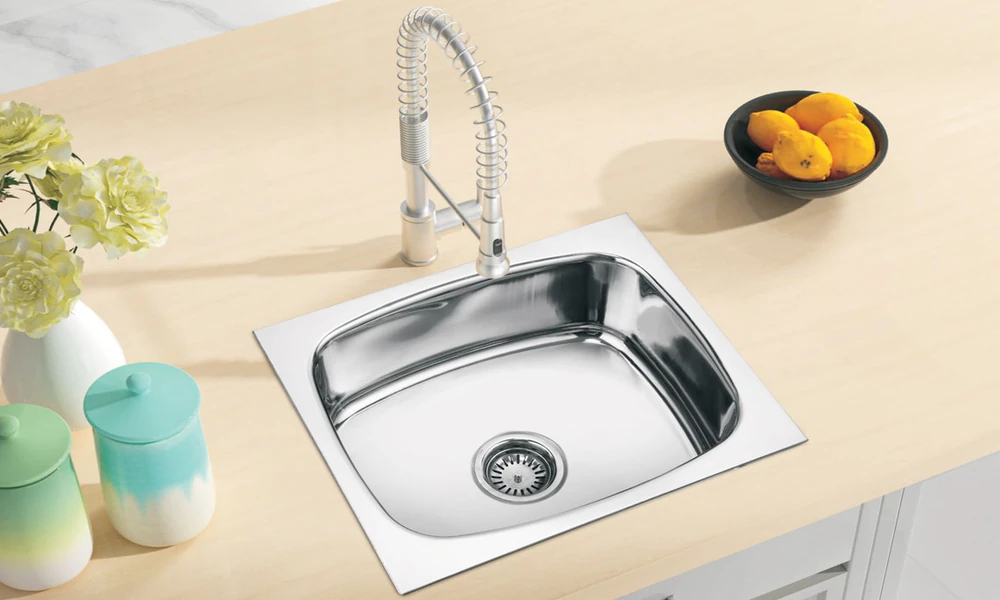
Key Takeaways
An ADA stainless steel sink offers excellent durability, making it suitable for kitchens that experience frequent daily use.
Stainless steel resists dents, scratches, corrosion, stains, and odors, providing a long-lasting and hygienic kitchen fixture.
ADA-compliant sink designs improve accessibility by providing appropriate height, clearance, and easy-to-operate controls.
The non-porous surface of stainless steel makes cleaning and routine maintenance simple while helping maintain a sanitary kitchen environment.
Stainless steel sinks are available in various finishes, sizes, and configurations, allowing homeowners to balance accessibility with modern kitchen aesthetics.
Professional installation helps ensure proper positioning, clearance, and integration with the surrounding cabinetry and plumbing.
Choosing an accessible, durable, and stylish sink can improve everyday kitchen functionality while potentially adding appeal to the home.
Unmatched Durability for Everyday Kitchen Use
Why Stainless Steel Stands the Test of Time
Durability is one of the most important considerations when selecting a kitchen sink. An ADA stainless steel sink combines the practical advantages of stainless steel with an accessibility-focused design, making it a strong choice for busy kitchens.
Stainless steel can withstand frequent exposure to water, hot cookware, utensils, and everyday impacts. Unlike materials that can crack or chip, quality stainless steel is designed to handle demanding kitchen environments while maintaining its functionality and appearance.
Its non-porous surface also makes it a practical choice for food preparation areas. Moisture and food particles do not easily penetrate the material, which helps simplify cleaning and routine sanitation.
With proper care, a quality stainless steel sink can provide many years of dependable service.
How Stainless Steel Compares With Other Sink Materials
Homeowners have several sink materials to choose from, including porcelain, ceramic, copper, and composite materials. While each offers distinct advantages, stainless steel is particularly attractive for homeowners who prioritize durability and easy maintenance.
Key advantages include:
- Impact resistance: Stainless steel is less likely to crack or chip from everyday impacts.
- Corrosion resistance: Quality stainless steel can withstand regular exposure to moisture.
- Heat tolerance: The material handles hot water and cookware effectively.
- Long-term value: Its durability can reduce the need for frequent replacement.
For kitchens that receive heavy daily use, choosing stainless steel can provide a practical combination of strength, longevity, and functionality.
ADA Compliance Improves Kitchen Accessibility
Understanding ADA-Friendly Sink Design
A kitchen should be functional for as many users as possible. ADA accessibility principles can help homeowners create spaces that are easier to navigate and use, particularly for people with mobility limitations.
An ADA stainless steel sink can be designed with accessibility considerations such as appropriate counter height, knee clearance, and easy-to-operate faucet controls. These features can make routine tasks such as washing dishes, preparing food, and cleaning more convenient.
Important accessibility considerations may include:
- Appropriate sink height: The sink should be positioned to support comfortable use.
- Clear space underneath: Adequate knee and leg clearance can make the sink more accessible to wheelchair users.
- Accessible controls: Lever-style or touch-operated faucets can be easier to operate.
- Safe surrounding space: Sufficient room around the sink helps users maneuver comfortably.
Actual accessibility requirements can vary depending on the specific application, so homeowners should verify applicable ADA standards and local building requirements.
Supporting Independent Kitchen Use
Accessibility is about more than meeting technical requirements. A thoughtfully designed sink can help users perform everyday kitchen tasks with greater independence.
This can benefit people with disabilities as well as older adults, children, and anyone who prefers a more ergonomic kitchen setup.
An accessible sink can provide:
- Greater independence during kitchen activities
- Easier access to faucets and controls
- More comfortable positioning while using the sink
- Improved functionality for different household members
Choosing an accessible design therefore supports a kitchen that is both practical and inclusive.
Easy Cleaning and Low Maintenance
How to Keep a Stainless Steel Sink Clean
One of the most convenient advantages of stainless steel is its relatively simple maintenance. The smooth, non-porous surface can be cleaned with mild soap, warm water, and a soft cloth or sponge.
For tougher stains, baking soda and water can provide a gentle cleaning solution. Homeowners should avoid abrasive cleaners and harsh chemicals that could damage the finish.
Simple maintenance habits include:
- Wipe spills promptly: This helps prevent residue and water spots.
- Use gentle cleaners: Mild soap is generally sufficient for routine cleaning.
- Clean regularly: Consistent cleaning prevents buildup.
- Dry the surface: Wiping the sink after use can minimize water marks.
Why Stainless Steel Resists Stains and Odors
Stainless steel’s non-porous surface makes it difficult for food particles and liquids to penetrate the material. This can make it easier to maintain a clean and fresh kitchen environment.
Unlike porous materials, stainless steel does not readily absorb food odors. With regular cleaning, homeowners can keep the sink looking clean while reducing the buildup associated with frequent kitchen use.
This low-maintenance characteristic is particularly valuable for busy households that want a sink that looks good without requiring extensive upkeep.
Stylish Designs Complement Modern Kitchens
Selecting the Right Stainless Steel Finish
Accessibility and durability don’t mean homeowners have to compromise on appearance. Stainless steel has a versatile appearance that can complement modern, contemporary, industrial, and even traditional kitchen designs.
Different finishes can create different visual effects:
- Brushed finish: Offers a subtle appearance and can help disguise minor marks.
- Polished finish: Creates a brighter, reflective appearance.
- Matte finish: Provides a contemporary look with reduced glare.
Homeowners can select a finish that complements their cabinets, countertops, appliances, and other kitchen fixtures.
Combining Accessibility With Modern Design
Today’s kitchens increasingly emphasize clean lines, multifunctionality, and efficient use of space. An accessible stainless steel sink can fit naturally into these design concepts.
Depending on the kitchen layout, homeowners may consider features such as:
- Deep single-basin configurations
- Double-basin designs
- Integrated accessories
- Custom-sized sink options
- Coordinated stainless steel fixtures
The result can be a kitchen that combines accessibility and practicality without sacrificing visual appeal.
Professional Installation Maximizes Functionality and Value
Why Proper Installation Matters
Even a high-quality sink needs to be installed correctly to perform as intended. Professional installation can help ensure that the sink is positioned appropriately and that plumbing connections, countertop openings, and surrounding clearances are properly addressed.
For an ADA-focused kitchen, installation is especially important because accessibility depends on more than the sink itself. The surrounding countertop, cabinet configuration, knee clearance, faucet placement, and user positioning all contribute to usability.
Before installation, professionals can evaluate:
- Sink dimensions
- Countertop configuration
- Plumbing connections
- Clearance requirements
- Faucet positioning
- Cabinet compatibility
Improving Long-Term Kitchen Functionality
A properly installed sink can make everyday kitchen activities more convenient while helping homeowners avoid issues caused by incorrect measurements or poor installation.
It may also contribute to the kitchen’s overall appeal. Durable materials, accessible features, and thoughtful design can make a property more attractive to homeowners and potential future buyers.
The best kitchen fixtures combine accessibility, durability, maintenance simplicity, and thoughtful design.
FAQ
Can ADA stainless steel sinks be customized?
Many manufacturers offer different sizes, depths, configurations, and installation options. Homeowners should review the specific manufacturer’s specifications to determine which options are available and whether they meet their accessibility requirements.
How do ADA stainless steel sinks compare in price with other materials?
The initial cost can vary depending on the sink’s size, gauge, finish, configuration, and installation requirements. Although stainless steel may cost more than some basic alternatives, its durability and relatively low maintenance can provide good long-term value.
What sizes are available for ADA stainless steel sinks?
Available sizes vary by manufacturer. Options may include single-basin and double-basin designs as well as different widths and depths. The appropriate dimensions depend on the kitchen layout and accessibility requirements.
Can an ADA stainless steel sink be installed in an existing kitchen?
Yes, an accessible sink can potentially be incorporated into an existing kitchen. However, the surrounding cabinetry, countertop, plumbing, height, and clearance must be evaluated to ensure the finished installation is functional and appropriate.
What accessories can improve an ADA stainless steel sink?
Sink grids, cutting boards, colanders, accessible faucets, and other compatible accessories can improve functionality. Homeowners should select accessories that do not interfere with required clearances or accessible use.
Why choose stainless steel over porcelain?
Stainless steel generally offers strong impact resistance and does not chip or crack in the same way porcelain can. It is also relatively easy to clean and works well with a wide range of kitchen styles.
How should homeowners maintain a stainless steel sink?
Routine cleaning with mild soap and water is generally sufficient. Homeowners should avoid harsh abrasive products, clean spills regularly, and dry the surface when possible to reduce water spots and buildup.
Can an ADA stainless steel sink improve a home’s resale appeal?
An accessible kitchen can appeal to buyers looking for convenience, functionality, and long-term usability. While no specific fixture guarantees a higher resale value, an accessible and well-designed kitchen can be a positive feature for certain buyers.
Useful Resources
- Americans with Disabilities Act (ADA) Official Website
- Centers for Disease Control and Prevention: Disability and Health
- National Institute of Health (NIH) – Research on Disabilities
- National Council on Independent Living
- Harvard Health Publishing – Health Information
- eHow – Home Improvement and Maintenance Guides
- Houzz – Home Renovation Ideas and Resources
- Transportation Security Administration: Traveling with Disabilities